



Common Reasons for Difficulty in Conceiving After Marriage – Explained by Dr. Samiksha Jain Gandhi
Conceiving a child is often considered a natural milestone after marriage, yet for many couples, the journey toward parenthood is filled with silent struggles, unanswered questions, and emotional turbulence. According to Dr. Samiksha Jain Gandhi, a Best Gynecologist and Best Infertility Specialist, difficulty in conceiving is not uncommon—and most importantly, it is treatable when approached scientifically, patiently, and compassionately. With advancements in Gynaecology & Obstetrics, IVF Center technologies, and Female Infertility Treatment, hope today is stronger than ever.
Understanding Infertility: When Should a Couple Seek Help?
Infertility is generally defined as the inability to conceive after one year of regular, unprotected intercourse. For women above 35 years, this timeline shortens to six months. Early consultation at a Women’s Hospital or a reputed IVF Centre allows timely diagnosis and personalized treatment planning.
Common Symptoms That May Indicate Difficulty in Conceiving
- Irregular or absent menstrual cycles
- Heavy menstrual bleeding Treatment requirements
- Severe menstrual cramps Treatment needs
- Pelvic pain or discomfort
- History of miscarriages
- Hormonal imbalances such as PCOS or thyroid disorders
- Low sperm count or poor sperm motility in males
Major Causes of Difficulty in Conceiving
1. Female Infertility Factors
Female infertility contributes to nearly 40–45% of conception challenges. Common causes include ovulatory disorders, blocked fallopian tubes, endometriosis, uterine fibroids, and age-related decline in egg quality. Conditions like PCOS often require long-term Female Infertility Treatment under expert supervision.
2. Male Infertility Factors
Male infertility is equally significant and often overlooked. Low sperm count, poor motility, abnormal sperm morphology, or blockages may necessitate advanced procedures like TESA and PESA Sperm Aspiration, especially in severe cases.
3. Lifestyle and Environmental Factors
Stress, obesity, smoking, alcohol consumption, sedentary habits, and exposure to toxins can impair fertility in both partners. Timely counseling and lifestyle correction play a vital role.
4. High-Risk Medical Conditions
Conditions such as diabetes, hypertension, autoimmune disorders, or infections may lead to High risk pregnancies Treatment needs and delayed conception if not optimally managed.
Diagnostic Evaluation: The First Step Toward Parenthood
At a well-equipped IVF Center or Best IVF Centre, evaluation includes hormonal tests, ultrasound, ovulation tracking, hysteroscopy, laparoscopy, semen analysis, and genetic screening when required. Best Laparoscopic Treatment allows minimally invasive correction of underlying issues with faster recovery.
Advanced Treatment Options Available
- Ovulation induction and hormonal therapy
- Female Infertility Treatment tailored to individual diagnosis
- Male Infertility Treatment including surgical sperm retrieval
- IVF Treatment at a trusted IVF Centre
- Cocoon Test Tube Baby Centre facilities for controlled and safe IVF procedures
- Laparoscopic Treatment for endometriosis, fibroids, or tubal blockages
Pregnancy, Delivery, and Surgical Care
Once conception occurs, expert antenatal monitoring ensures maternal and fetal safety. For complicated cases, planned Caesarean, Cashless C-Section, or Cashless Caesarean services reduce stress and financial burden, ensuring smooth delivery outcomes.
Frequently Asked Questions (FAQs)
Q1. Is infertility always a permanent condition?
No. Most infertility cases are treatable with timely medical intervention and lifestyle modification.
Q2. When is IVF recommended?
IVF is advised when conventional treatments fail, in severe male infertility, tubal blockages, or age-related fertility decline.
Q3. Can male infertility be treated successfully?
Yes. Advanced techniques like TESA and PESA Sperm Aspiration have revolutionized Male Infertility Treatment.
Q4. Are high-risk pregnancies safe?
With expert High risk pregnancies Treatment and monitoring, most high-risk pregnancies result in healthy outcomes.
About Gandhi Nursing Home, Nagpur
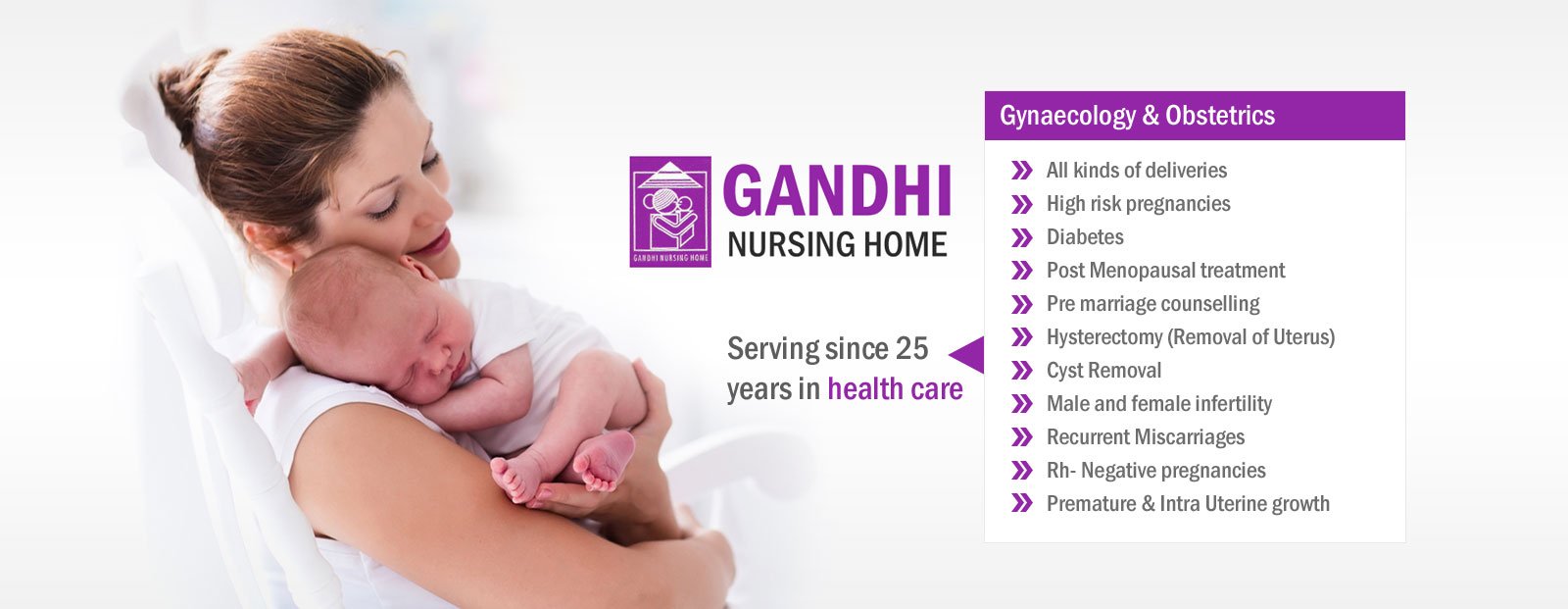
Gandhi Nursing Home in Nagpur began its journey 25 years ago in 1989 as a dedicated women care giving hospital and has gracefully evolved into a trusted multispecialty medical center. Equipped with state-of-the-art technology, advanced surgical facilities, and a passionate, highly experienced medical team, the hospital delivers comprehensive Gynaecology & Obstetrics, infertility care, and surgical services. Committed to affordability, ethical practice, and continuous improvement, Gandhi Nursing Home remains a pillar of compassionate healthcare for generations of families in Nagpur.
In the quiet wait for a new life, science and compassion must walk together. Under the guidance of Dr. Samiksha Jain Gandhi, couples are reminded that infertility is not an end—but a bend in the road, where expert care can gently lead the way forward.