



How Common Is Infertility and When to Seek Help – Explained by Dr. Shobha Gandhi
How Common Is Infertility and When to Seek Help explained by Dr. Shobha Gandhi : Infertility is far more common than most couples realize—and far more treatable than many fear. According to Dr. Shobha Gandhi, an experienced Best Gynecologist and Best Infertility Specialist, nearly one in six couples face difficulty in conceiving at some point in their reproductive journey. What often turns a manageable medical condition into a prolonged emotional struggle is delay—delay in understanding, delay in evaluation, and delay in seeking expert help at a trusted Women’s Hospital or specialized IVF Center.
How Common Is Infertility Today?
Modern lifestyles, delayed marriages, stress, medical conditions, and environmental factors have all contributed to rising infertility rates worldwide. Medically, infertility is defined as the inability to conceive after:
- 12 months of regular, unprotected intercourse in women below 35 years
- 6 months in women above 35 years
Infertility is not limited to women alone:
- Female Infertility Treatment is required in ~40% of cases
- Male Infertility Treatment is needed in ~40% of cases
- The remaining cases involve combined or unexplained causes
This medical reality underscores the importance of timely evaluation at a Best IVF Centre offering integrated Gynaecology & Obstetrics and fertility services.
Common Symptoms That May Indicate Infertility
Infertility does not always present with obvious signs, but certain symptoms should never be ignored.
In Women:
- Irregular, absent, or painful menstrual cycles
- Heavy menstrual bleeding Treatment requirements
- Severe menstrual cramps Treatment affecting daily life
- Pelvic pain or pain during intercourse
- Early or delayed Menopause Treatment concerns
In Men:
- Low sperm count or poor sperm motility
- Erectile or ejaculatory issues
- Testicular pain or swelling
- History of infections or surgeries affecting fertility
Causes of Infertility: Male and Female Factors
Female Causes:
- Ovulation disorders such as PCOS
- Blocked fallopian tubes
- Endometriosis
- Uterine fibroids or polyps
- Hormonal imbalances
Male Causes:
- Low sperm production
- Poor sperm quality
- Obstructive azoospermia
- Conditions requiring TESA and PESA Sperm Aspiration
Lifestyle factors such as obesity, smoking, alcohol consumption, chronic stress, and sedentary habits further compound infertility in both partners.
When Should Couples Seek Help?
Dr. Shobha Gandhi emphasizes that seeking early medical advice does not mean committing to advanced treatment immediately—it means gaining clarity. Couples should consult a Best Infertility Specialist if:
- Pregnancy has not occurred within the recommended time frame
- The woman is above 35 years of age
- There is a history of miscarriages
- Known gynecological or urological conditions exist
- Periods are irregular, painful, or excessively heavy
Diagnostic Evaluation at an Advanced IVF Center
At a modern IVF Center and Women’s Hospital, evaluation is structured and evidence-based:
- Hormonal blood tests
- Ultrasound and follicular monitoring
- Semen analysis
- Diagnostic laparoscopy using Best Laparoscopic Treatment techniques
- Genetic and infectious screening
Treatment Options: From Simple to Advanced
Treatment depends on cause, age, and duration of infertility:
- Female Infertility Treatment with ovulation induction and hormonal regulation
- Male Infertility Treatment through medical or surgical interventions
- Laparoscopic correction of fibroids, endometriosis, or tubal blocks
- IVF Treatment at a specialized Cocoon Test Tube Baby Centre
- TESA and PESA Sperm Aspiration for severe male factor infertility
Pregnancy Care and Safe Delivery
Once conception is achieved, expert obstetric care becomes crucial. The hospital provides:
- High risk pregnancies Treatment
- Planned Caesarean deliveries
- Cashless C-Section and Cashless Caesarean services
This continuum of care ensures safety from conception to childbirth.
Frequently Asked Questions (FAQs)
Q1. Is infertility very common?
Yes. Infertility affects millions of couples worldwide and is increasingly common due to lifestyle and age-related factors.
Q2. Does infertility always require IVF?
No. Many couples conceive with simple medical or surgical treatments before IVF is needed.
Q3. Should men also be evaluated early?
Absolutely. Early male evaluation shortens treatment time and improves outcomes.
Q4. Are high-risk pregnancies safe?
With proper monitoring and expert care, most high-risk pregnancies result in healthy outcomes.
About Gandhi Nursing Home, Nagpur
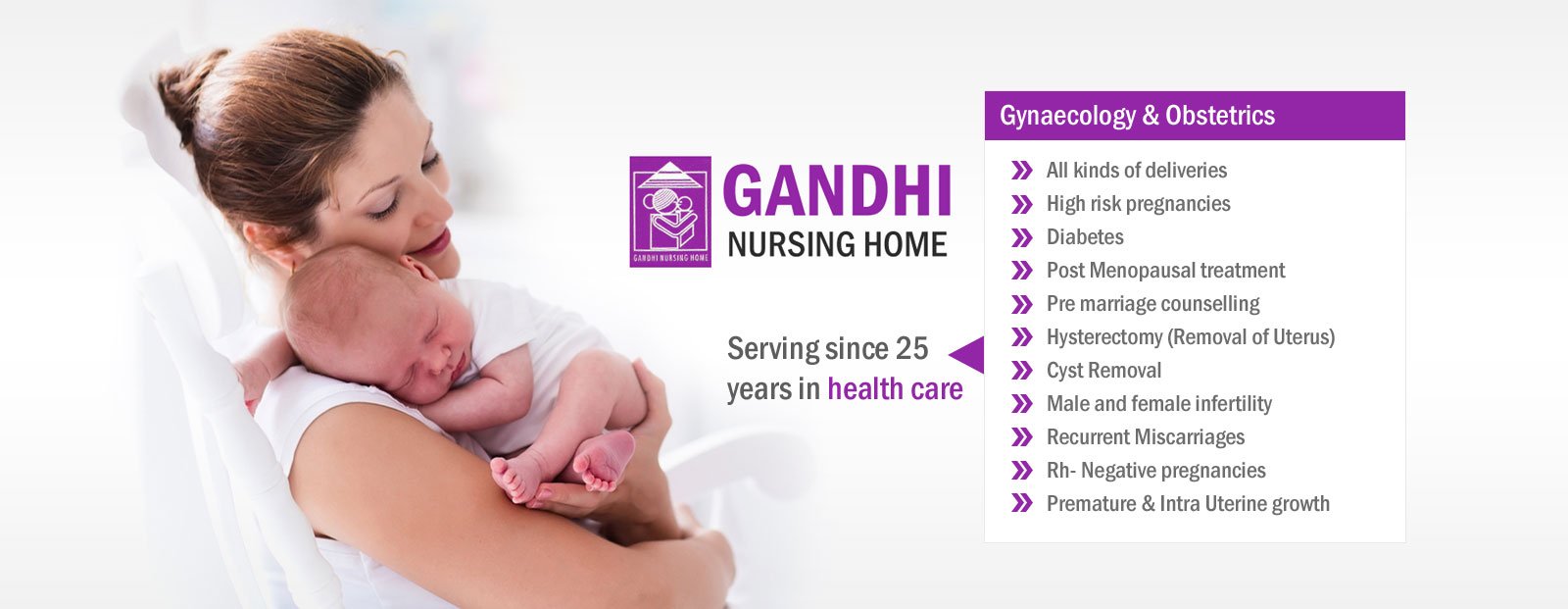
Gandhi Nursing Home, Nagpur, began in 1989 as a women care giving hospital and has evolved into a respected multispecialty medical center with advanced surgical facilities. Equipped with state-of-the-art equipment, modern medical technology, and a highly qualified, experienced, and dedicated medical team, the hospital delivers comprehensive fertility care, Gynaecology & Obstetrics, and surgical services. Committed to affordability, continuous improvement, and compassionate patient-centered care, Gandhi Nursing Home remains a trusted healthcare institution for families across Nagpur.
Infertility is not a failure—it is a medical signal. As Dr. Shobha Gandhi reminds couples, the right time to seek help is not after years of uncertainty, but the moment questions arise. Science, when met early, turns waiting into hope and possibility.