



Understanding and Managing High-Risk Pregnancies
High Risk Pregnancies in Nagpur : A high risk pregnancy is one that has a higher chance of complications for the mother, baby, or both. This requires specialized care from a best gynecologist or a best infertility specialist to ensure a healthy outcome. It is not a cause for panic, but rather a reason for closer monitoring and management at a specialized women’s hospital.
A Trusted Name in Nagpur: Gandhi Nursing Home
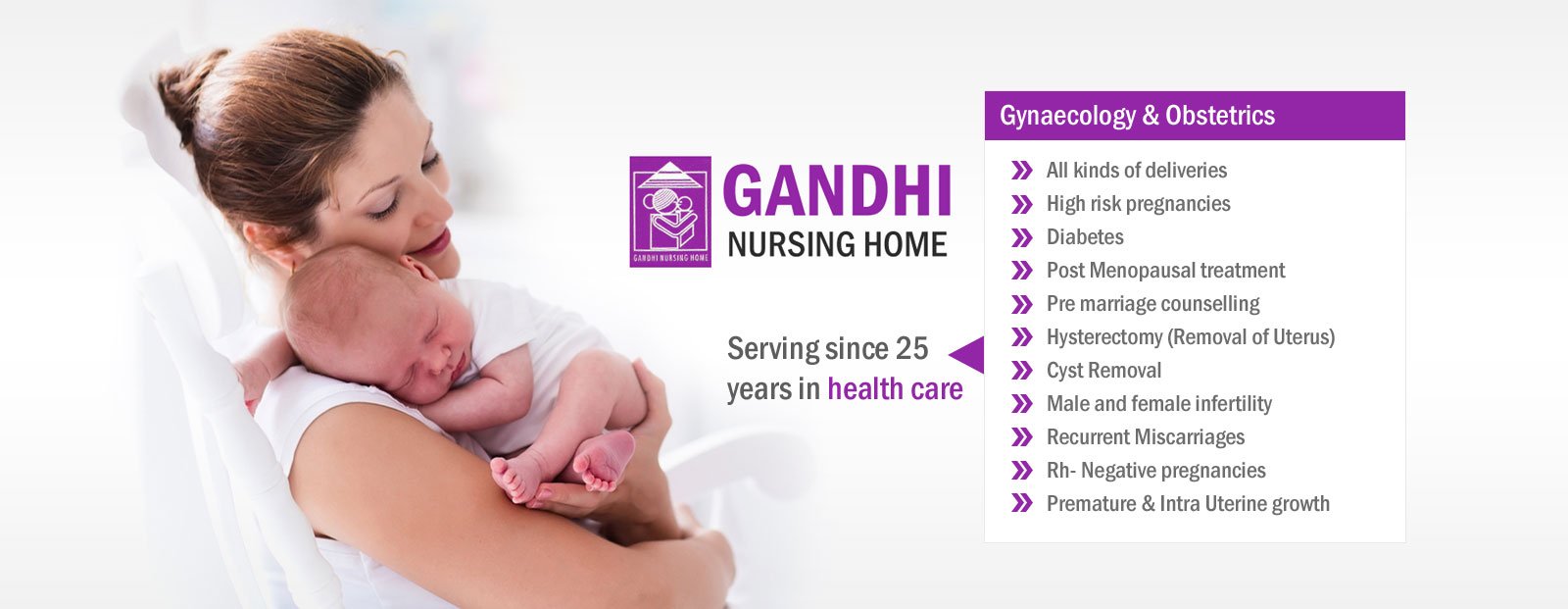
In Nagpur, Gandhi Nursing Home is a well-regarded women’s hospital providing comprehensive care in Gynaecology & Obstetrics. With a team that includes the best gynecologist and best infertility specialist, the hospital is equipped to handle complex cases, including high risk pregnancies treatment. The associated Cocoon Test Tube Baby Centre is a leading IVF Center for couples seeking solutions for both female infertility treatment and male infertility treatment. The hospital is known for its advanced facilities, including best laparoscopic treatment and a full range of services from fertility solutions to specialized delivery options like Caesarean and Cashless C-Section.
What Makes a Pregnancy High-Risk?
Various factors can contribute to a pregnancy being classified as high-risk. Identifying these early is crucial for effective high risk pregnancies treatment.
Symptoms and Causes
The “symptoms” are often the underlying conditions themselves, not physical signs of the risk itself.
- Maternal Age: Being a first-time mother over the age of 35 or a teenager.
- Pre-existing Health Conditions: This includes diabetes, hypertension, autoimmune disorders, or a history of heart, kidney, or thyroid problems.
- History of Pregnancy Complications: Previous miscarriages, preterm births, or a history of infertility treatment can increase the risk.
- Multiple Births: Carrying twins, triplets, or more.
- Infertility Treatment: Pregnancies resulting from IVF Center services, including IVF or other forms of female infertility treatment and male infertility treatment, are often considered high-risk, as are those using procedures like TESA and PESA Sperm Aspiration.
- Gynaecological Issues: A history of fibroids requiring laparoscopic treatment or other uterine abnormalities.
The Procedure of High-Risk Pregnancy Management
Management of a high-risk pregnancy involves a multi-pronged approach under the guidance of a skilled Gynaecology & Obstetrics team.
- Increased Monitoring: This involves more frequent prenatal check-ups, ultrasounds, and other tests to monitor the baby’s growth and the mother’s health.
- Specialized Care: The healthcare team will often include a perinatologist, a best gynecologist specializing in high-risk pregnancies, to manage the case. They might also consult with other specialists depending on the mother’s health.
- Treatment and Medication: Medications may be prescribed to manage conditions like gestational diabetes or high blood pressure.
- Delivery Planning: A detailed birth plan is created, which may include a scheduled Caesarean or special precautions for a vaginal birth. Hospitals offering a cashless C-Section or cashless Caesarean can also make the financial process smoother during this time.
FAQs on High-Risk Pregnancies
Q1: How can a high-risk pregnancy be identified?
A: It’s identified during the initial prenatal consultation based on the mother’s age, medical history, and specific conditions. A history of menstrual cramps treatment or menopause treatment might also be relevant.
Q2: Are all pregnancies from an IVF Center high-risk?
A: Many are considered high-risk simply due to the underlying infertility that required treatment, not the IVF procedure itself. A best IVF Centre will provide specialized care from the start.
Q3: What’s the difference between a “Cashless C-Section” and a “Cashless Caesarean”?
A: They are the same thing. Both refer to a surgical delivery where the hospital bill is directly settled by an insurance company without requiring upfront payment from the patient.
Q4: Can a high-risk pregnancy lead to a Caesarean?
A: Yes, many high-risk pregnancies are delivered via Caesarean to ensure the safety of both mother and baby, especially if complications arise during labor.